

Department of Geography
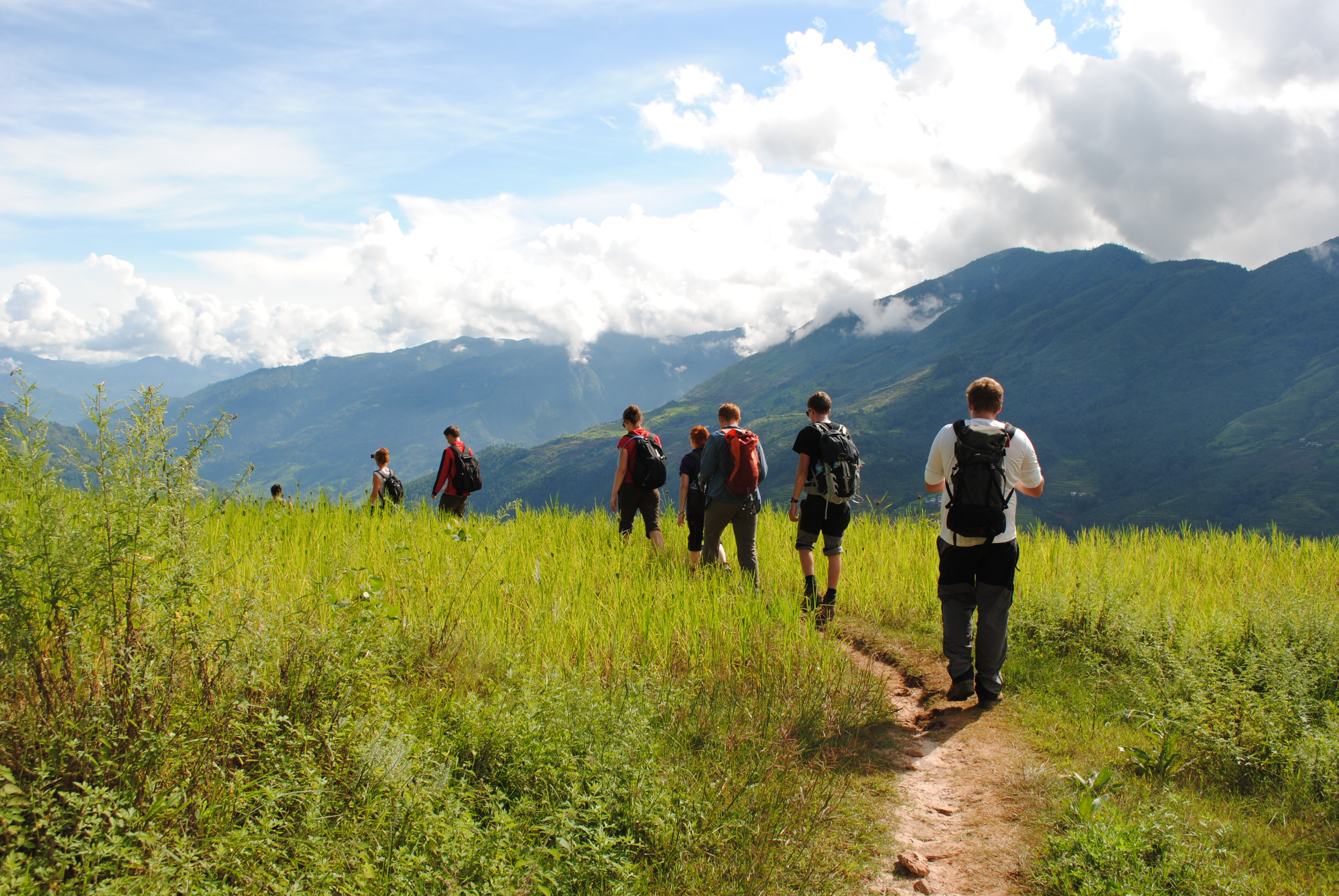

Welcome to Geography at Durham
“Our success as a department is a measure of the open, inclusive environment we foster for students and staff. Climate change, environmental governance, landslides, natural hazards, geopolitical conflict and territorial dispute, migration, sea-level rise, energy poverty, flooding, debt, austerity and urbanisation; these are just a few of the significant challenges that are confronting us today, and few departments are better placed than Durham Geography to study them. To be a member of Durham Geography is to be welcomed by a community that wants you to succeed and creates an environment to make it happen.”
Professor Cheryl McEwan, Head of Department
Study with us
-
Undergraduate Study
At Durham, we offer BA and BSc Geography degrees that you can tailor to your interests and career goals.

-
Postgraduate Study
Durham Geography is a world-leading centre of research and our postgraduate community is central to our pursuit and delivery of excellence.
/prod01/prodbucket01/media/durham-university/departments-/geography/lab-photos-/83606%5B1%5D.jpg)
/prod01/prodbucket01/media/durham-university/departments-/geography/76031%5B1%5D.jpg)
Undergraduate Study
At Durham, we offer BA and BSc Geography degrees that you can tailor to your interests and career goals.

Postgraduate Study
Durham Geography is a world-leading centre of research and our postgraduate community is central to our pursuit and delivery of excellence.

Research
We are a large department of human and physical geographers conducting world-leading research that addresses pressing social and environmental challenges.
What we're up to
/prod01/prodbucket01/media/durham-university/departments-/geography/fieldtrips-and-research/11836%5B1%5D-2000X1413.jpg)
/prod01/prodbucket01/media/durham-university/departments-/geography/fieldtrips-and-research/DSC05882.JPG)
/prod01/prodbucket01/media/durham-university/departments-/geography/fieldtrips-and-research/83296.jpg)
/prod01/prodbucket01/media/durham-university/departments-/geography/outreach/11122438_10153254414415926_1880989855968845306_o.jpg)
Follow Geography News and Events
-
Latest Geography News
Learn about the impact our staff and students have on the local, national, and international stage.
-
Upcoming Events
Find out about upcoming research talks, conferences, alumni events.
Many are free and open to the public.
/prod01/prodbucket01/media/durham-university/departments-/geography/exterior-photography-/31056.jpg)
/prod01/prodbucket01/media/durham-university/departments-/geography/exterior-photography-/42944%5B1%5D.jpg)
Latest Geography News
Learn about the impact our staff and students have on the local, national, and international stage.

Upcoming Events
Find out about upcoming research talks, conferences, alumni events.
Many are free and open to the public.
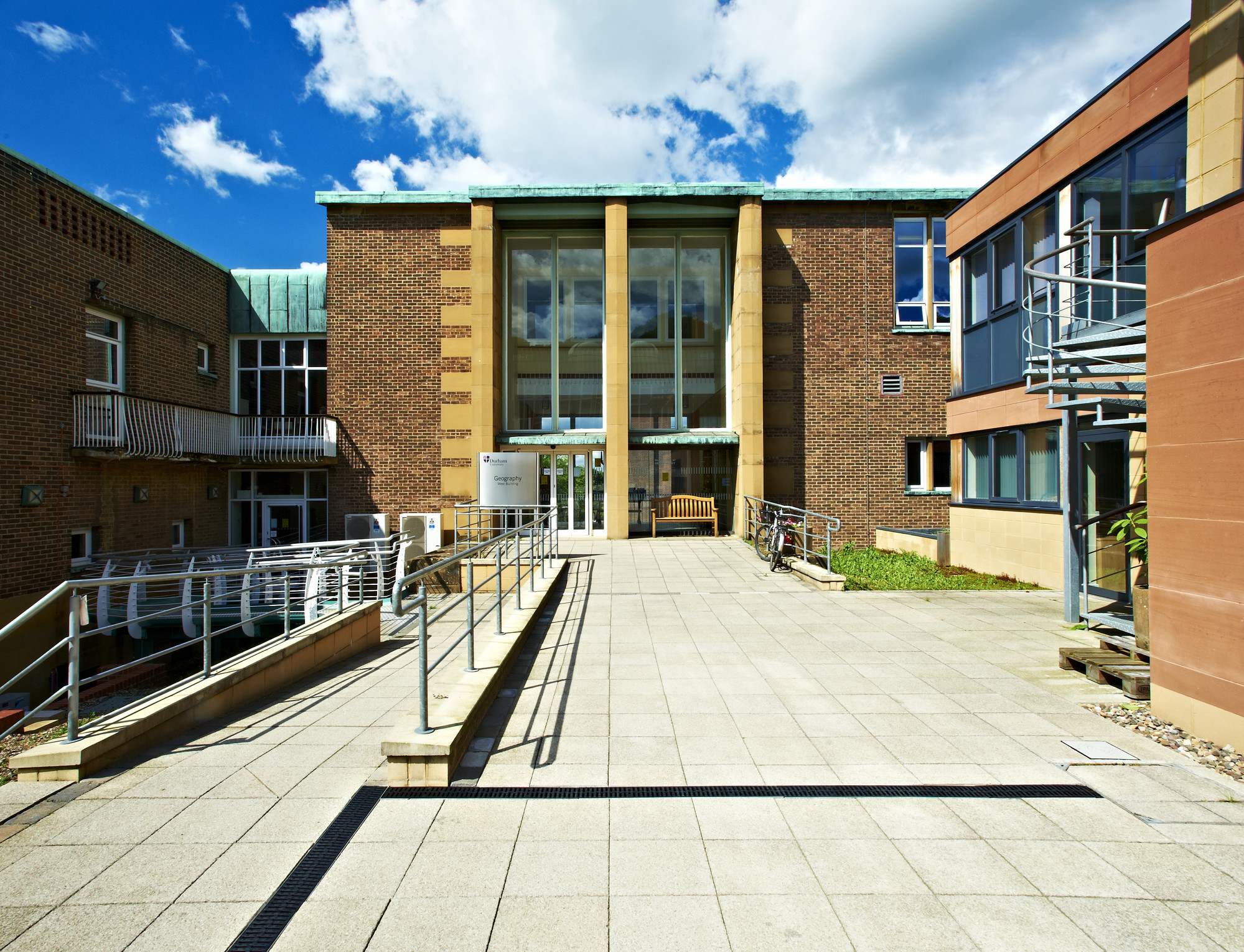
Work with us
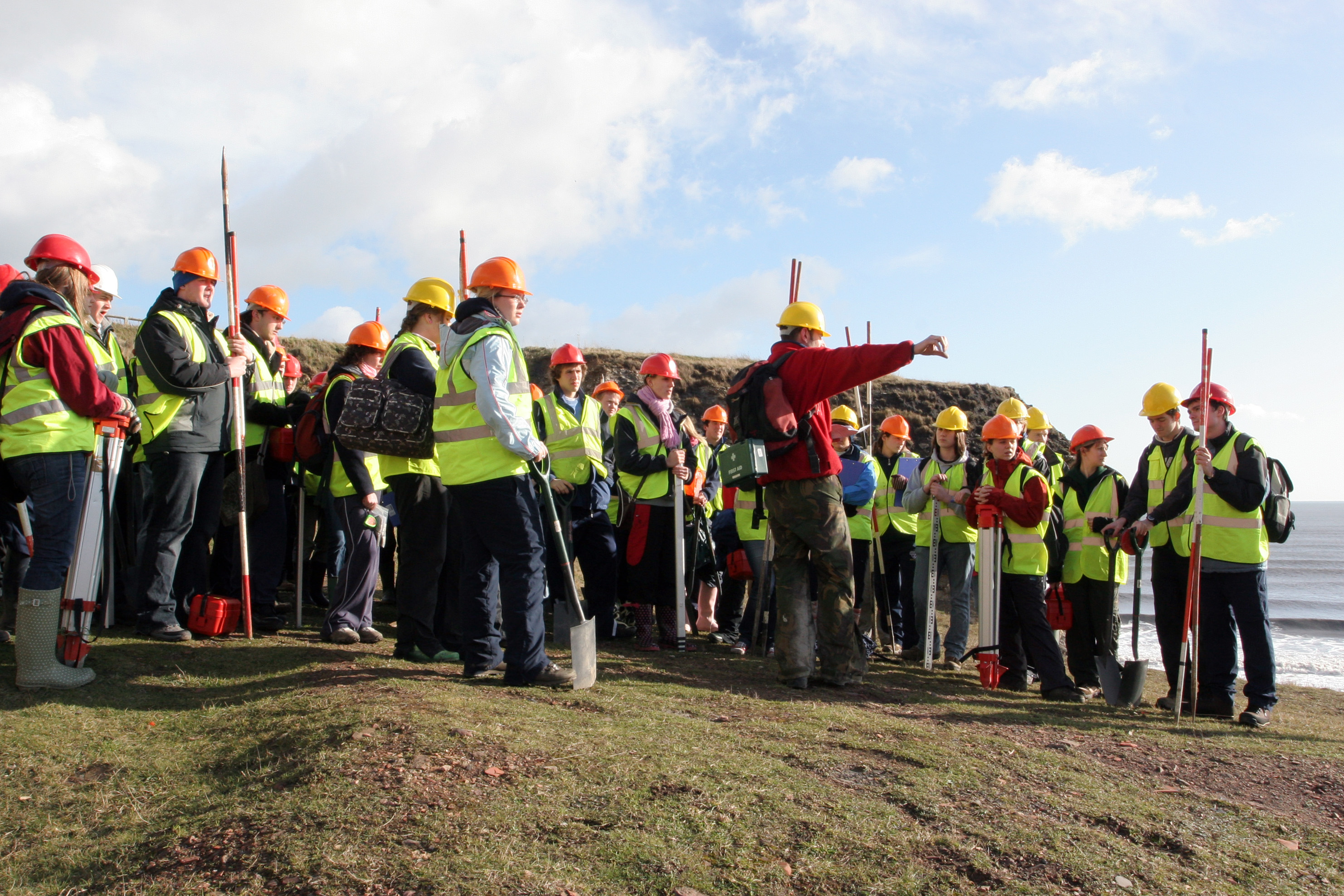
Contact Us
Founded in 1928, the Department of Geography at Durham University is one of the leading centres of geographical research and education in the world.
Department of Geography
Durham University
Lower Mountjoy
South Road, Durham
DH1 3LE, UK
Tel: +44 (0)191 3341800
Fax: +44 (0)191 3341801
Questions about studying here?
Check out our list of FAQs or submit an enquiry form.
Your Durham prospectus
Order your personalised prospectus and College guide here.