Durham Energy Institute

About DEI
Decarbonising energy is one of the most pressing challenges facing the world today. The Durham Energy Institute is accelerating inclusive energy transitions through world-leading research.

Approaching energy as socio-technical helps us to understand solutions fully and from many perspectives.
Durham Energy Institute works to ensure sustainable and resilient low-carbon energy systems can be developed which meet the needs of different contexts and ensure fair access for everyone.
Examples of our leadership in energy research include:
- Promoting a whole-systems approach to energy research integrating the social, environmental, economic, policy, technical and regulatory implications of energy pathways and choices
- Best practice in innovative training for future energy leaders
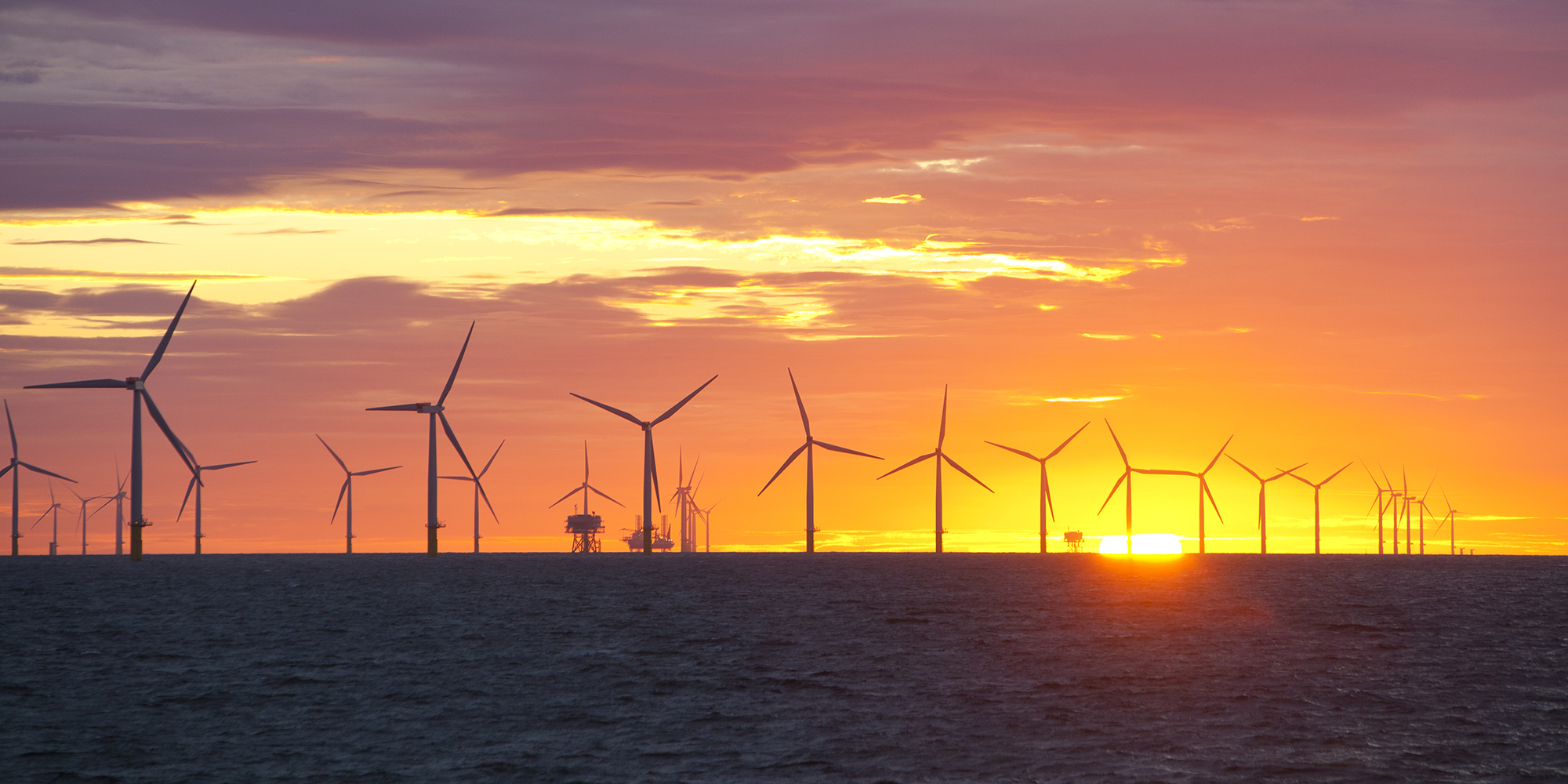
- World-leading research to make Offshore Wind more affordable and reliable
- Leading international research on smart energy solutions
- Working with industrial clusters to developing innovative decarbonisation solutions
- Driving forward the UK Hydrogen Revolution
- Discovering and developing new energy materials to help achieve durable, efficient, and sustainable energy systems.
With our global partners, DEI is making a real contribution to global energy transitions and ensuring effective solutions for decarbonisation are delivered at local, regional, national and international scales.
Latest activity at DEI
/prod01/prodbucket01/media/durham-university/research-/research-institutes/durham-energy-institute/associate-fellows/MTML_H.jpg)
/prod01/prodbucket01/media/durham-university/research-/research-institutes/durham-energy-institute/events/Events-Image-for-Web-4.png)
/prod01/prodbucket01/media/durham-university/central-news-and-events-images/news/Funding-for-new-research-centre.png)
/prod01/prodbucket01/media/durham-university/research-/research-institutes/durham-energy-institute/technologies/wind/Wind-offshore-DONG-poster-image.jpg)
/prod01/prodbucket01/media/durham-university/research-/research-institutes/durham-energy-institute/landscapes-cityscapes-montages-etc/Ana-Rakonjac-1.jpg)
/prod01/prodbucket01/media/durham-university/research-/research-institutes/durham-energy-institute/technologies/oil--gas/Oil_platform_P-51_(Brazil).jpg)
/prod01/prodbucket01/media/durham-university/research-/research-institutes/durham-energy-institute/technologies/solar--pv/Solar-Panel-Toby--Hogg-Resized.jpg)
Energy Institute News
-
Accelerating inclusive energy transitions through world-leading research
Last week the Durham Energy Institute (DEI) was in the Houses of Parliament in Westminster, to hold an exhibition in the prestigious Upper Waiting Hall, to showcase our research towards bringing people together for a clean and just energy transition.Research news/prod01/prodbucket01/media/durham-university/research-/research-institutes/durham-energy-institute/events/westminster-2024/Simone-referenced.jpg)
-
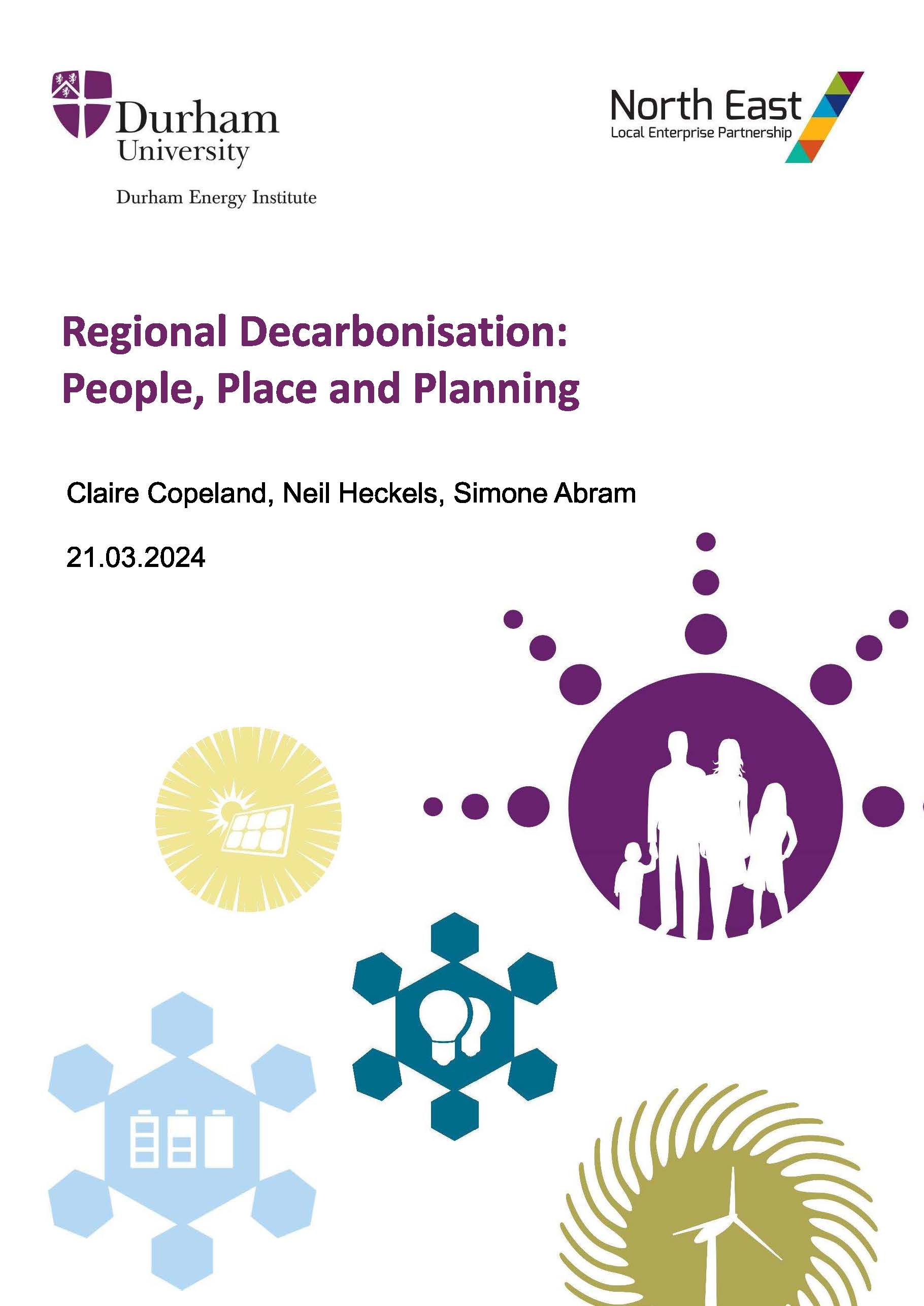
New Policy Brief - Regional Decarbonisation: People, Place and Planning
This new policy briefing explores the possibilities for regional decarbonisation energy planning in the North East of England. Local Energy Planning is considered important due to the opportunity for local low carbon energy technologies to deliver benefits in local communities.Research news/prod01/prodbucket01/media/durham-university/research-/research-institutes/durham-energy-institute/publications/report-from-other-organisations/Cover-for-NE-decarbonisatiom-planning.jpg)
-
New funding to expand access to renewable energy research
We’re part of a world-leading renewable energy research collaboration that has received almost £5.3million from the UK government to expand its work.Research news/prod01/prodbucket01/media/durham-university/central-news-and-events-images/news/Widening-access-to-research.png)
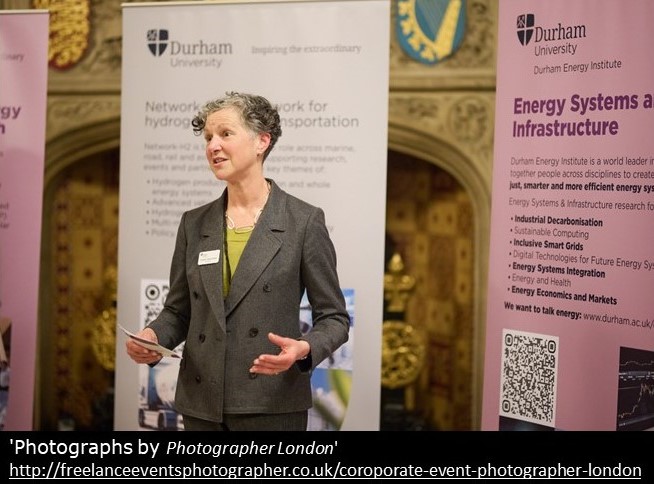
Accelerating inclusive energy transitions through world-leading research
Last week the Durham Energy Institute (DEI) was in the Houses of Parliament in Westminster, to hold an exhibition in the prestigious Upper Waiting Hall, to showcase our research towards bringing people together for a clean and just energy transition.
New Policy Brief - Regional Decarbonisation: People, Place and Planning
New funding to expand access to renewable energy research