

Durham Energy Institute

Welcome to the Durham Energy Institute
Decarbonising energy is one of the most pressing challenges facing the world today. The Durham Energy Institute is accelerating inclusive energy transitions through world-leading research.

Discover
-
Time, place and energy transition: green manufacturing in northeast England
A blog post by DEI Fellows Connor Watt and Gavin Bridge explores how northeast England's industrial past shapes its green reindustrialisation

-
The Ørsted scholarship for Energy Master's programme
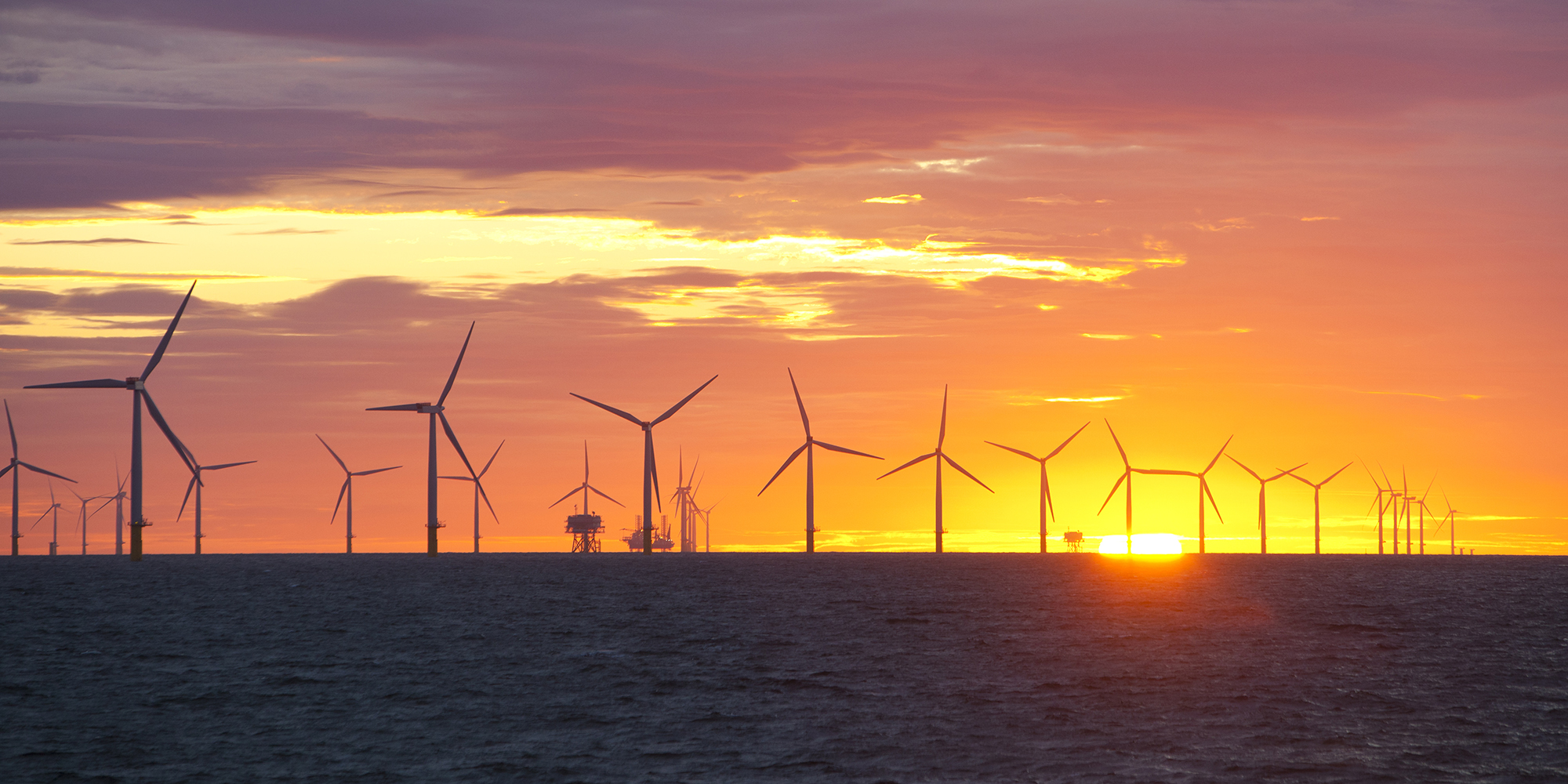
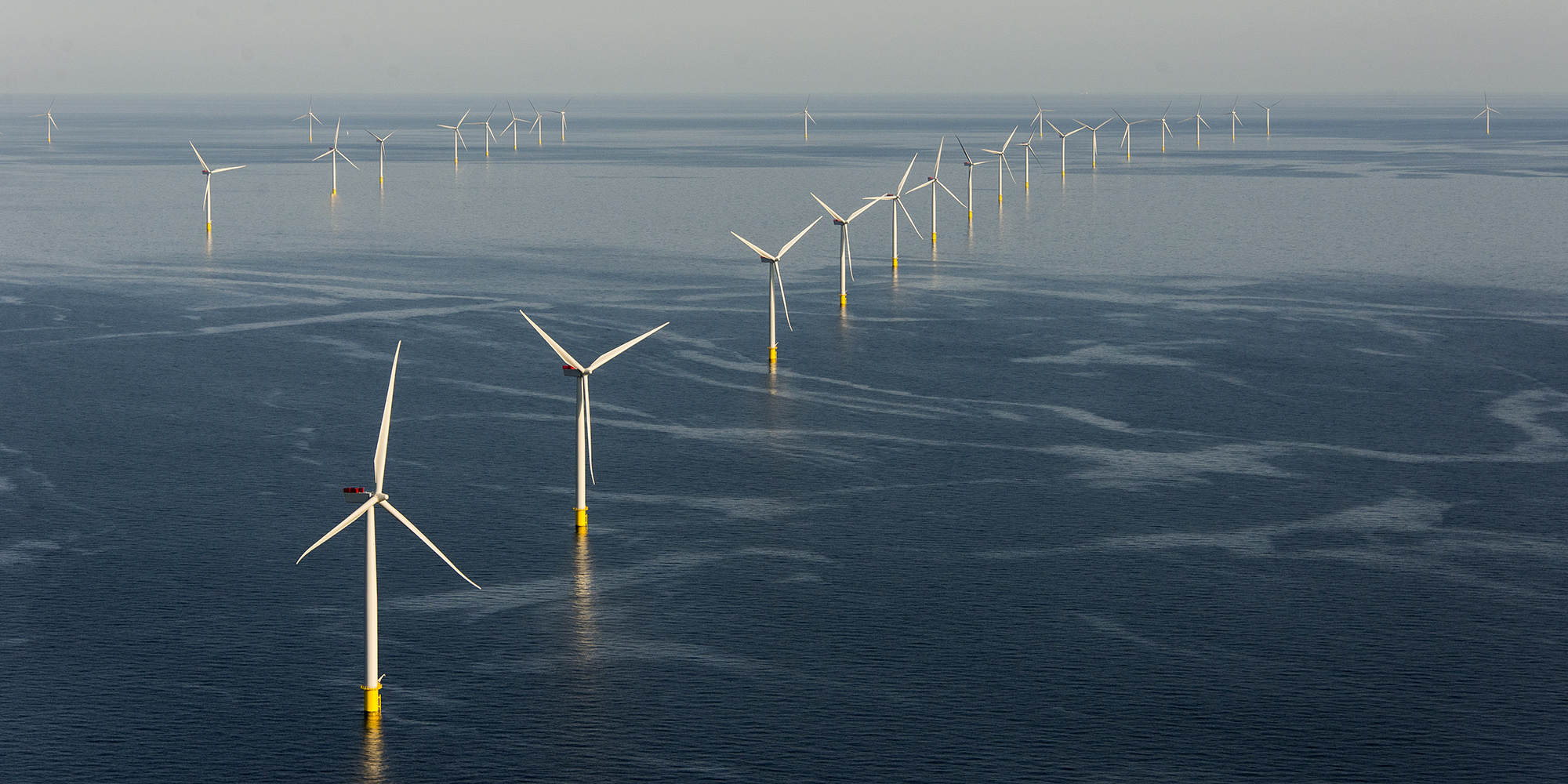
We have a long-standing strategic partnership with Ørsted UK, the leading offshore wind developer. As part of this partnership, Ørsted offers annual bursaries to students on our Energy-related Master's programmes here at Durham.
/prod01/prodbucket01/media/durham-university/research-/research-institutes/institute-of-advanced-study/research/IndustrialPollution2smaller-1.jpg)
/prod01/prodbucket01/media/durham-university/research-/research-institutes/durham-energy-institute/technologies/wind/gb_Anholt_Offshore_Wind_Farm_1-credit-Orsted-AS.jpg)
Time, place and energy transition: green manufacturing in northeast England
A blog post by DEI Fellows Connor Watt and Gavin Bridge explores how northeast England's industrial past shapes its green reindustrialisation

The Ørsted scholarship for Energy Master's programme
We have a long-standing strategic partnership with Ørsted UK, the leading offshore wind developer. As part of this partnership, Ørsted offers annual bursaries to students on our Energy-related Master's programmes here at Durham.
Energy Institute News
-
I dedicated my life to tackling climate change while studying at Durham – Green Party co-leader
The co-leader of the Green Party of England and Wales has told how she decided to dedicate her life to tackling climate change while a student at Durham.Equality, Diversity, and Inclusion/prod01/prodbucket01/media/durham-university/central-news-and-events-images/Carla-Denyer-web.jpg)
-
UK National Clean Maritime Research Hub: Pioneering the Future of Maritime Decarbonisation
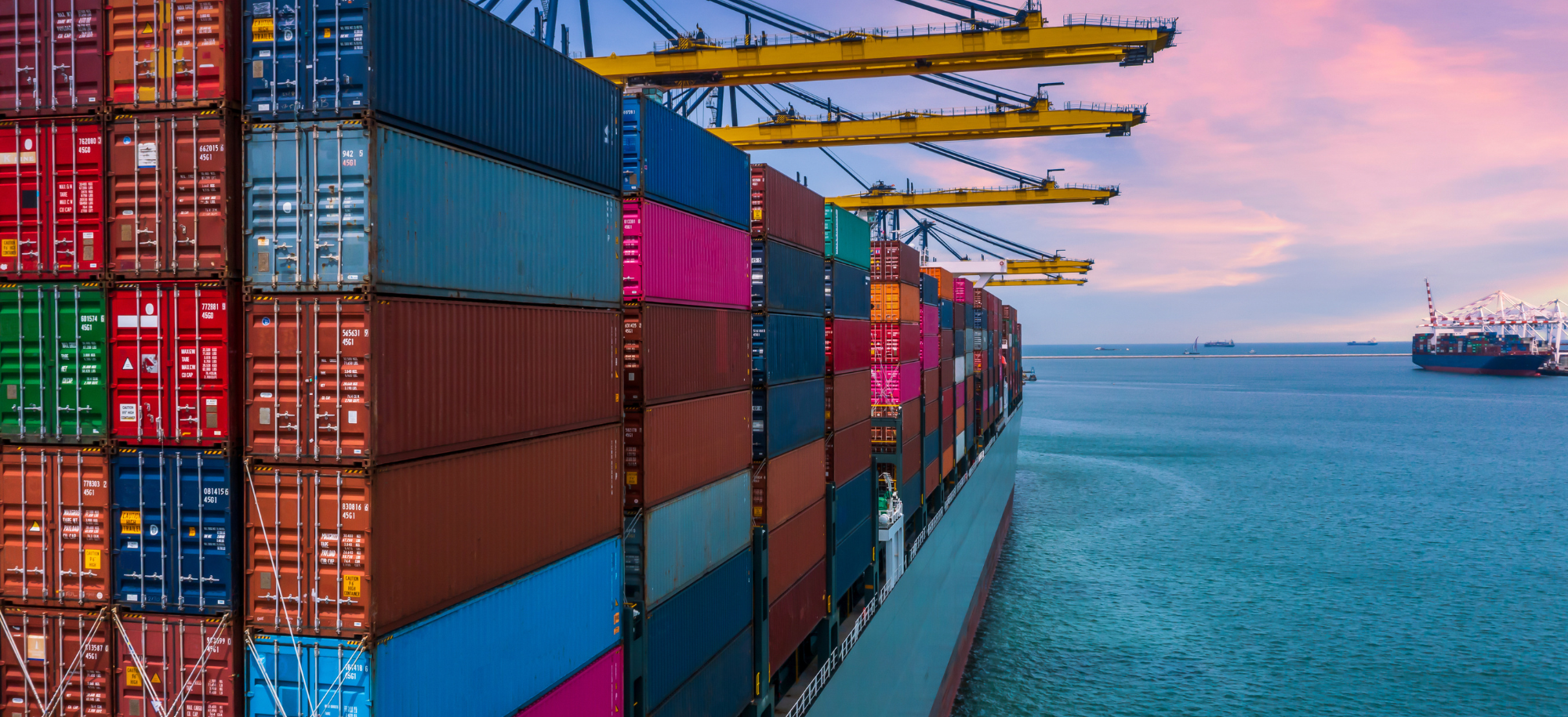
The UK National Clean Maritime Research Hub is making waves in the maritime industry with its ground breaking approach to decarbonisation. Launched in September 2023, this innovative hub has created a website to showcase the activities that are set to transform the sector by addressing critical research challenges and developing sustainable solutions for the future.Durham news/prod01/prodbucket01/media/durham-university/research-/shipping-thought-leadership.png)
-
Fuelling Futures: Realising Mine Water Geothermal Energy
On 17 and 18 September 2024, Durham Energy Institute (DEI) held a conference focussed on the multi-disciplinary research on mine water geothermal energy taking place at Durham University.Research news/prod01/prodbucket01/media/durham-university/research-/research-institutes/durham-energy-institute/technologies/geothermal-/GEMS-picture.jpg)
I dedicated my life to tackling climate change while studying at Durham – Green Party co-leader
The co-leader of the Green Party of England and Wales has told how she decided to dedicate her life to tackling climate change while a student at Durham.

UK National Clean Maritime Research Hub: Pioneering the Future of Maritime Decarbonisation
Fuelling Futures: Realising Mine Water Geothermal Energy

/prod01/prodbucket01/media/durham-university/research-/research-institutes/durham-energy-institute/events/Events-logo-for-web.jpg)
/prod01/prodbucket01/media/durham-university/research-/research-institutes/durham-energy-institute/landscapes-cityscapes-montages-etc/Ana-Rakonjac-1.jpg)
/prod01/prodbucket01/media/durham-university/research-/research-institutes/institute-for-medical-humanities/publications/Books.jpg)
/prod01/prodbucket01/media/durham-university/research-/research-institutes/durham-energy-institute/technologies/wind/Wind-offshore-DONG-poster-image.jpg)
/prod01/prodbucket01/media/durham-university/research-/research-institutes/durham-energy-institute/technologies/solar--pv/Solar-Panel-Toby--Hogg-Resized.jpg)