

Department of Chemistry


Welcome to the Department of Chemistry at Durham
We're proud to be a World Top 100 department with an extensive research base.
"It's incredible to watch our exceptional students develop as scientists and become highly engaged problem solvers ready to shape the future!"
Professor Jan Verlet, Head of Department

Study with us
-
Undergraduate Study
We offer both BSc and MChem undergraduate courses, many accredited by the Royal Society of Chemistry.

-
Postgraduate Study
Discover our MSc and PhD research degrees at a world-leading university.
/prod01/prodbucket01/media/durham-university/departments-/chemistry/study/ug-study/56633.jpg)
/prod01/prodbucket01/media/durham-university/departments-/chemistry/study/ug-study/56632.jpg)
Undergraduate Study
We offer both BSc and MChem undergraduate courses, many accredited by the Royal Society of Chemistry.
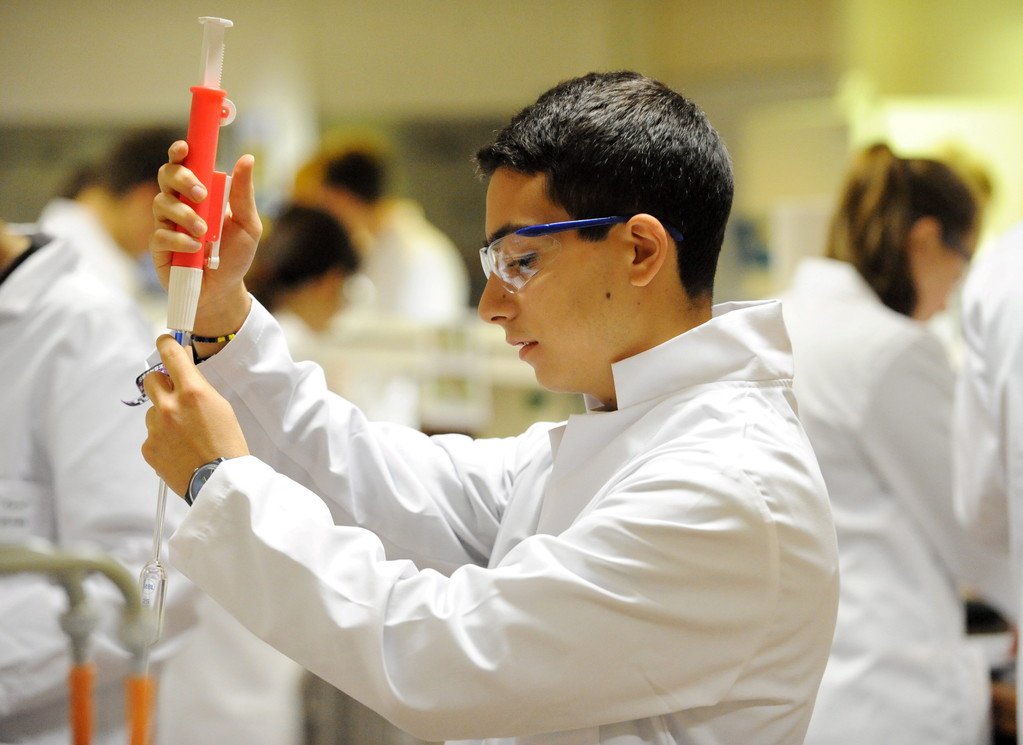
Postgraduate Study
Discover our MSc and PhD research degrees at a world-leading university.
What's new?
-
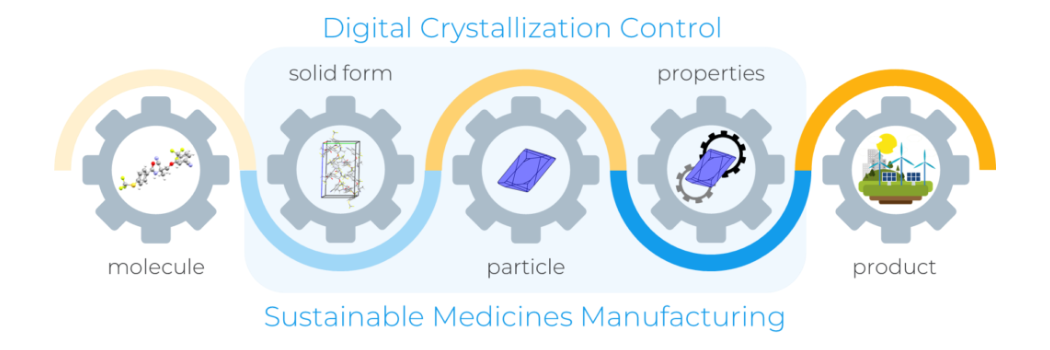
Pioneering research to support digital innovation in pharmaceuticals
We along with Cambridge Crystallographic Data Centre (CCDC) have secured funding as part of an Innovate UK grant to advance sustainable pharmaceutical manufacturing.Research news/prod01/prodbucket01/media/durham-university/central-news-and-events-images/news/crystallisation-WEB.png)
-
Women in chemistry: Q&A with Professor Aurora J. Cruz-Cabeza
Dr Aurora J. Cruz-Cabeza is a Professor of Materials Chemistry in our department of Chemistry, in the field of molecular crystals and crystallisation.Durham news/prod01/prodbucket01/media/durham-university/central-news-and-events-images/news/Aurora-Cruz-Chemistry-WEB-(1).png)
-
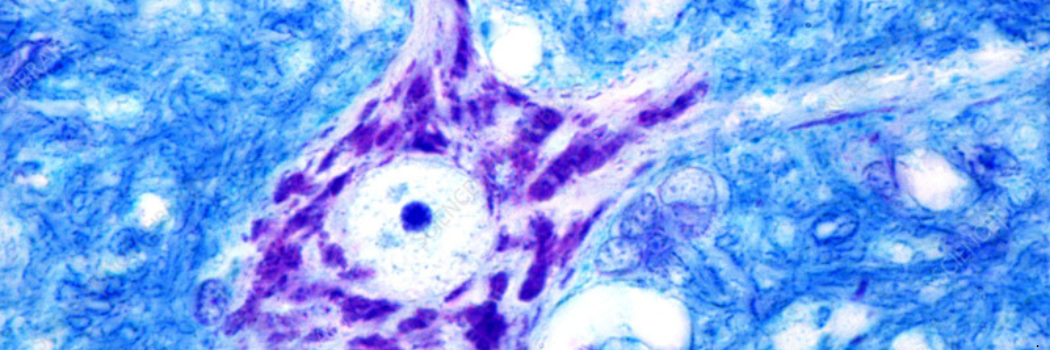
Breakthrough drug for motor neurone disease shows promise in new study
A new drug called Ellorarxine is offering hope to those suffering from motor neurone disease (MND), according to a recent study published in the International Journal of Molecular Sciences.Research news/prod01/prodbucket01/media/durham-university/central-news-and-events-images/news/MND-WEB.png)
-
Professor Paul Denny and team win prestigious MRC Outstanding Team Impact Prize
An international team of scientists led by Professor Paul Denny from our top-rated Biosciences and Chemistry departments has made significant strides in the fight against neglected tropical diseases (NTDs) such as leishmaniasis and Chagas disease.Durham news/prod01/prodbucket01/media/durham-university/central-news-and-events-images/news/NTD-team-WEB.png)
-
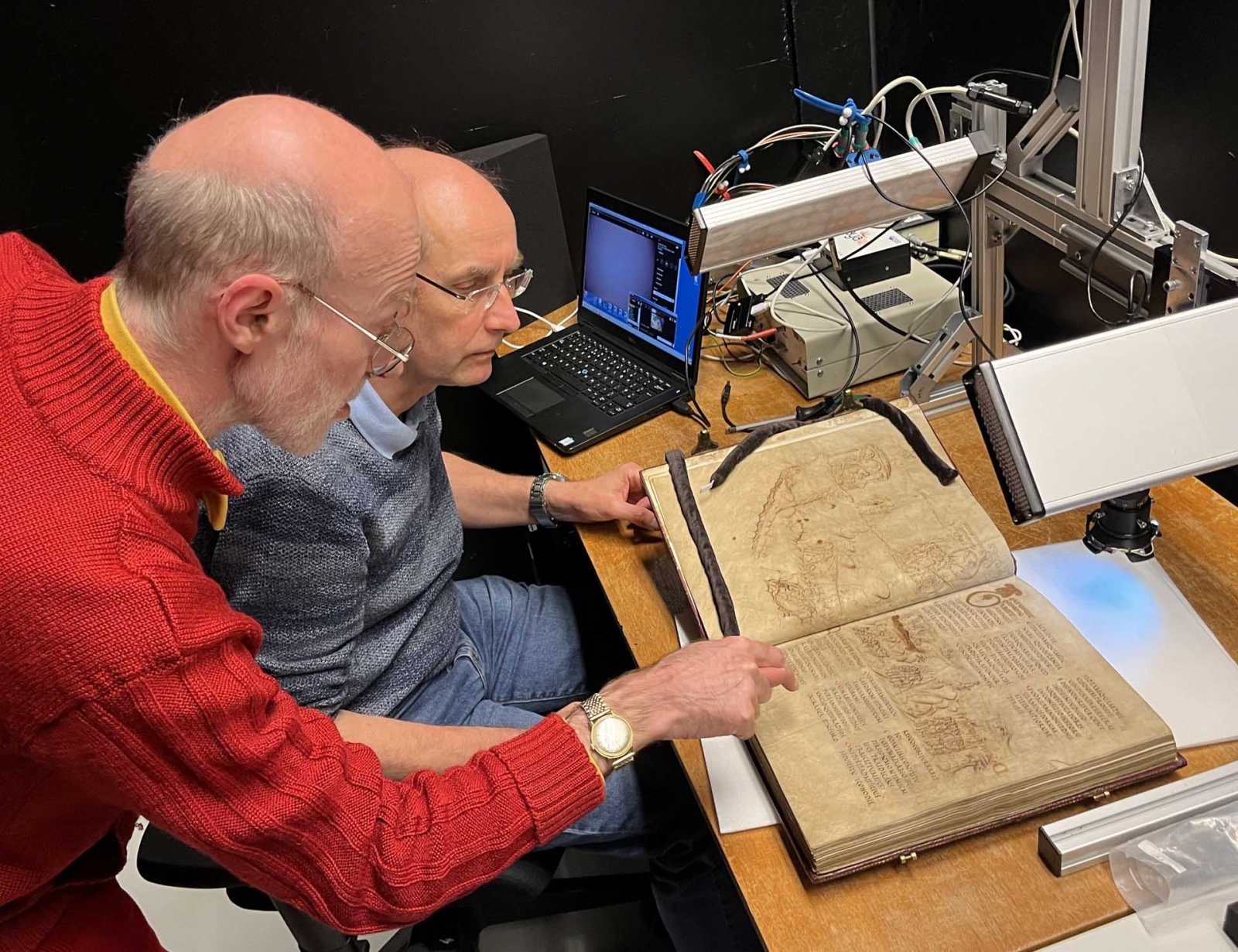
Prof. A. Beeby granted access to the Utrecht Psalter for special research
Prof. A. Beeby granted access to the Utrecht Psalter for special researchDurham news/prod01/prodbucket01/media/durham-university/departments-/chemistry/Prof-Beeby-Utrech-Psalter.jpg)
-
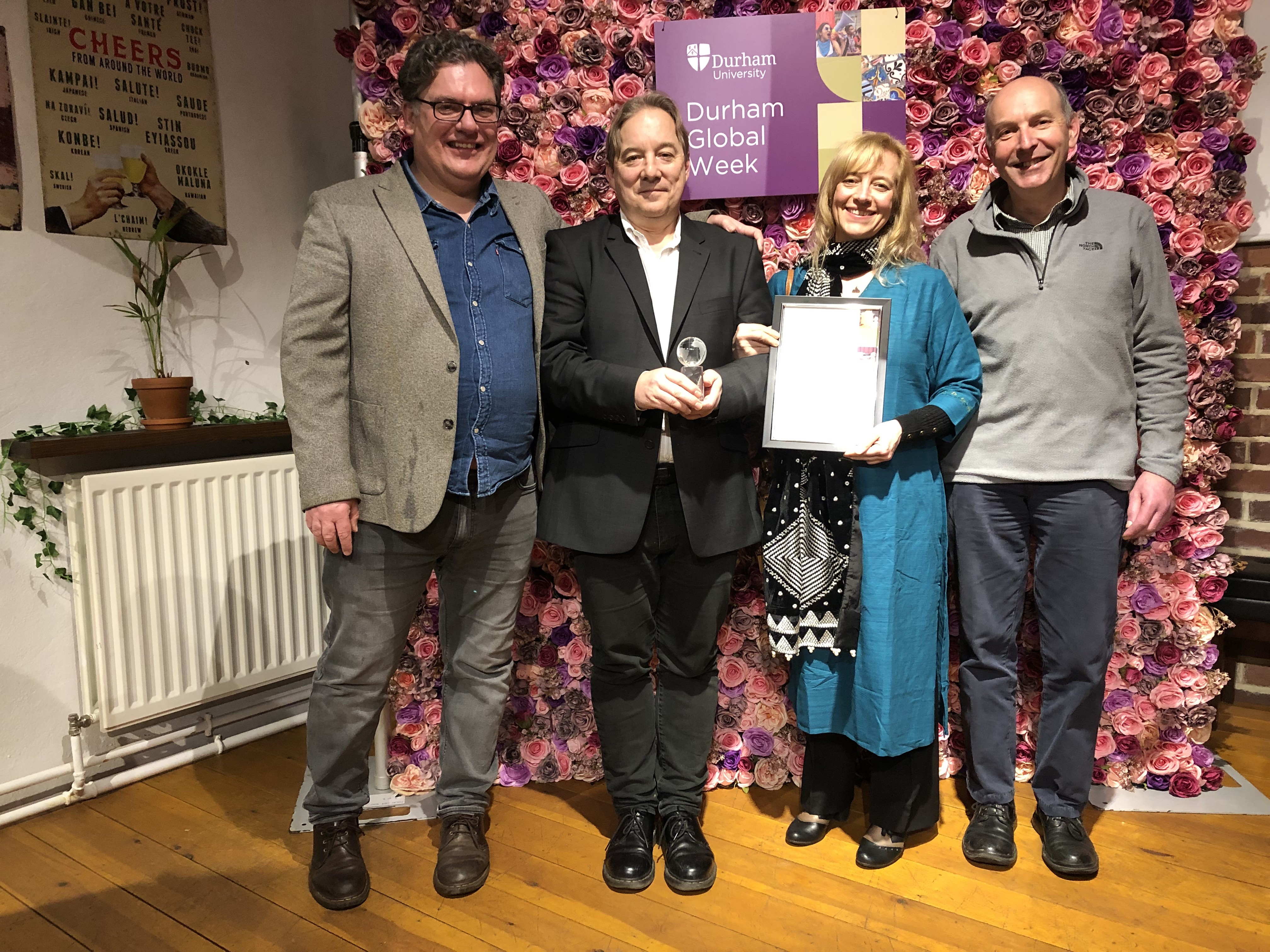
The global team on Neglected Tropical Diseases Wins the Durham Global SDG Award 2023
We are pleased to announce that the global consortium on Neglected Tropical Diseases led by Durham University won the inaugural Durham Global SDG award.Research news/prod01/prodbucket01/media/durham-university/departments-/chemistry/award.jpg)
-
Professor Paul Denny and team announced as MRC Impact prize 2023 finalists in the Outstanding Team Impact category.
Professor Paul Denny and team announced as MRC Impact prize 2023 finalists in the Outstanding Team Impact category.Research news/prod01/prodbucket01/media/durham-university/departments-/chemistry/Chemistry.jpg)
Pioneering research to support digital innovation in pharmaceuticals
We along with Cambridge Crystallographic Data Centre (CCDC) have secured funding as part of an Innovate UK grant to advance sustainable pharmaceutical manufacturing.
Women in chemistry: Q&A with Professor Aurora J. Cruz-Cabeza
.png)
Breakthrough drug for motor neurone disease shows promise in new study
Professor Paul Denny and team win prestigious MRC Outstanding Team Impact Prize

Prof. A. Beeby granted access to the Utrecht Psalter for special research
The global team on Neglected Tropical Diseases Wins the Durham Global SDG Award 2023
Professor Paul Denny and team announced as MRC Impact prize 2023 finalists in the Outstanding Team Impact category.
-
Pioneering research to support digital innovation in pharmaceuticals
We along with Cambridge Crystallographic Data Centre (CCDC) have secured funding as part of an Innovate UK grant to advance sustainable pharmaceutical manufacturing.Research news
-
Breakthrough drug for motor neurone disease shows promise in new study
A new drug called Ellorarxine is offering hope to those suffering from motor neurone disease (MND), according to a recent study published in the International Journal of Molecular Sciences.Research news
-
The global team on Neglected Tropical Diseases Wins the Durham Global SDG Award 2023
We are pleased to announce that the global consortium on Neglected Tropical Diseases led by Durham University won the inaugural Durham Global SDG award.Research news
Pioneering research to support digital innovation in pharmaceuticals
We along with Cambridge Crystallographic Data Centre (CCDC) have secured funding as part of an Innovate UK grant to advance sustainable pharmaceutical manufacturing.
Breakthrough drug for motor neurone disease shows promise in new study
The global team on Neglected Tropical Diseases Wins the Durham Global SDG Award 2023
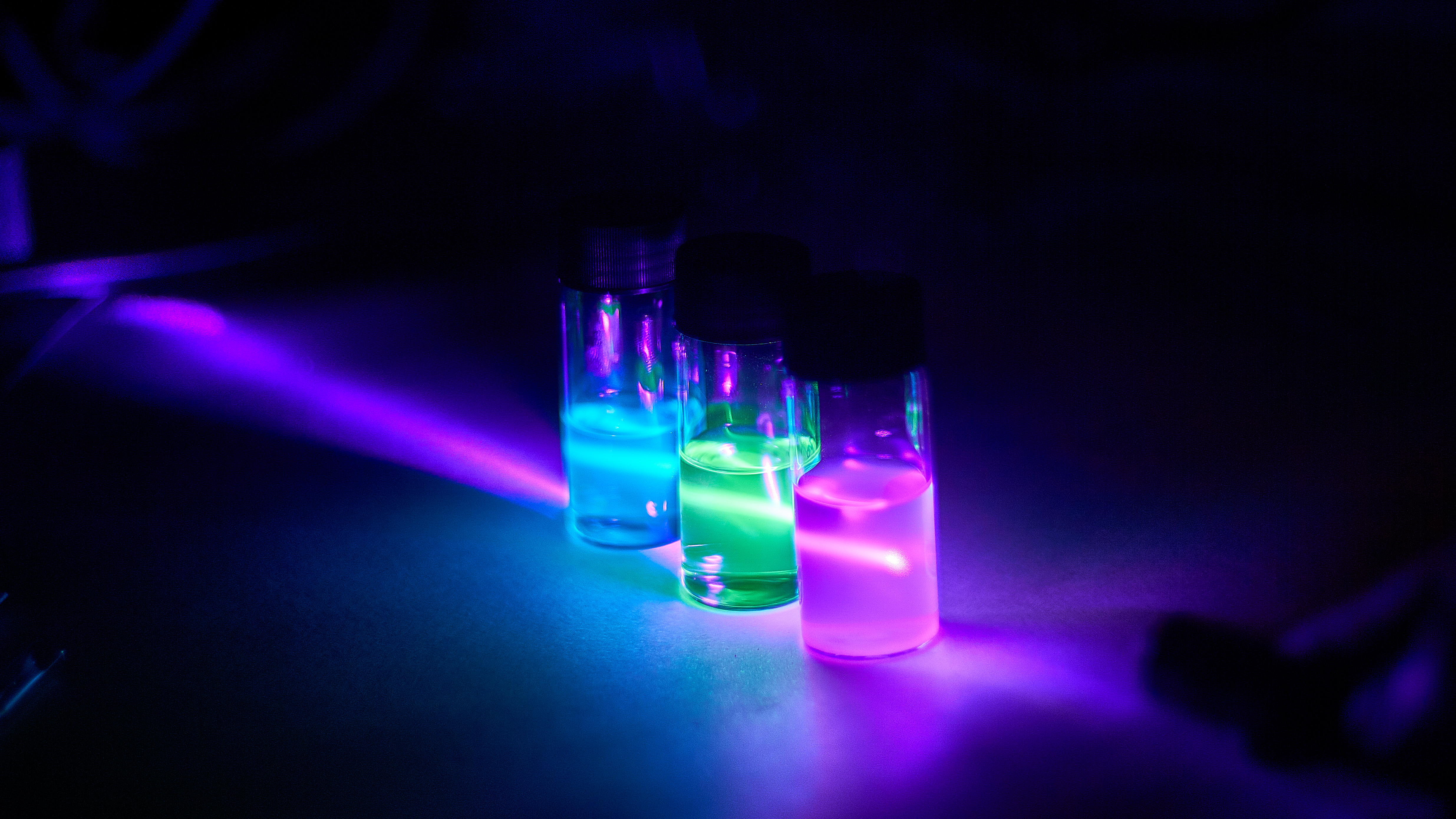
Our research
We are a vibrant, research-led department with an international reputation for cutting-edge science.
Diversity and Inclusion
Meet us and get involved
/prod01/prodbucket01/media/durham-university/departments-/computer-science/83496.jpg)
/prod01/prodbucket01/media/durham-university/departments-/chemistry/about/staff/Our-People.jpeg)
/prod01/prodbucket01/media/durham-university/departments-/computer-science/81551.jpg)
/prod01/prodbucket01/media/durham-university/departments-/computer-science/Athena-Swan-Bronze.jpg)
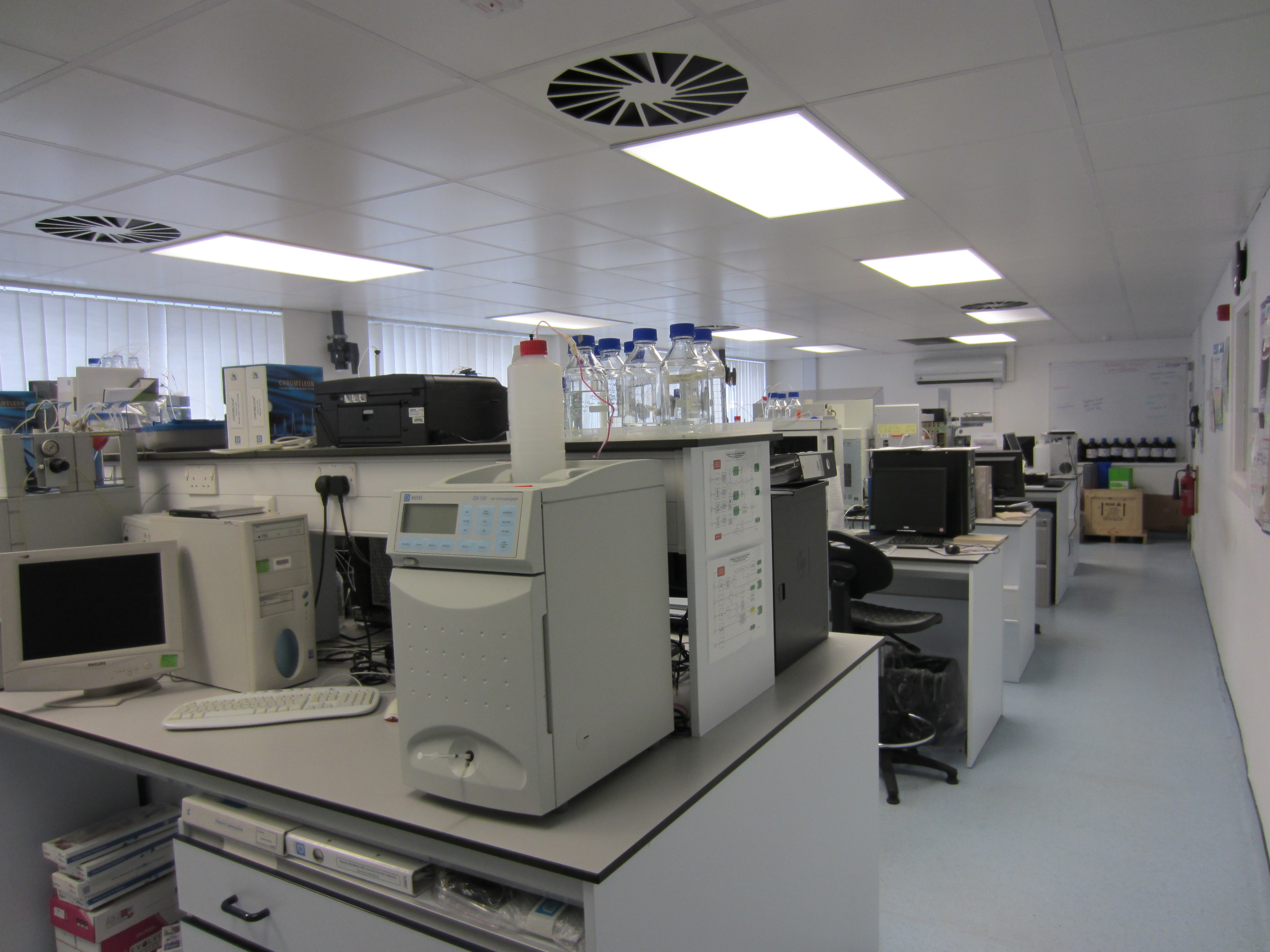
Our facilities and equipment
We provide services to our in-house researchers and students. We also work with many UK and overseas companies and other universities and research institutions.
Get in touch
Enquiries about Chemistry and our courses should be sent via the emails below:
Department of Chemistry
Durham University
Stockton Road
Durham
DH1 3LE
United Kingdom
Telephone (UK): +44 (0191) 334 2076
Telephone (International): +44 191 334 2000
Questions about studying here?
Check out our list of FAQs or submit an enquiry form.
Your Durham prospectus
Order your personalised prospectus and College guide here.