

Department of Classics and Ancient History

About the Department of Classics and Ancient History
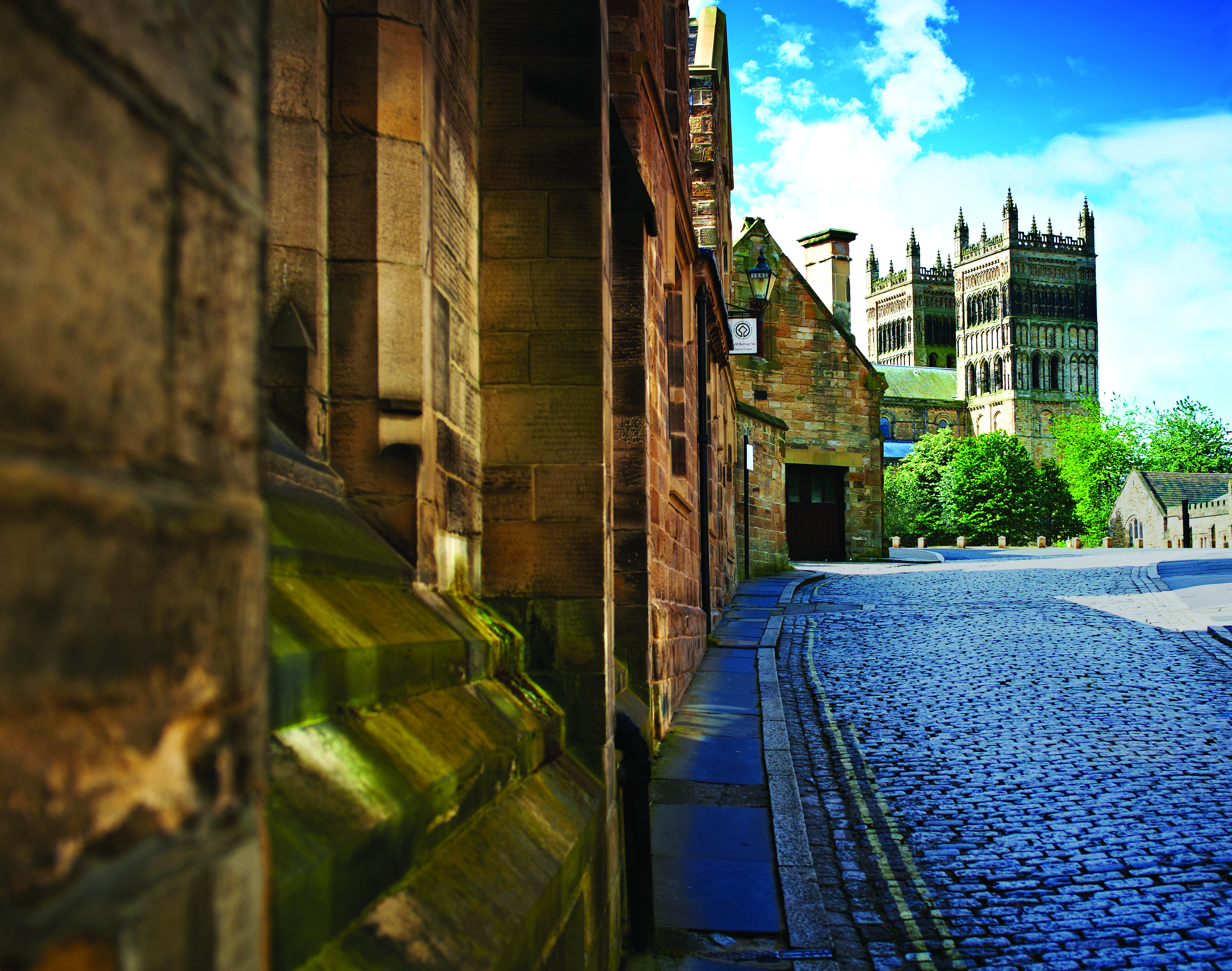
Our Durham Department of Classics & Ancient History is a large and successful department. We consistently rank as one of the top Classics and Ancient History Departments in the UK for research and teaching, and came 9th in the 2025 QS World University Rankings.
Our degrees offer both academic rigour and an outstanding student experience. We are regularly among the top Classics departments in the UK for graduate employability. In 2019 we were awarded an Advance HE Athena Swan Bronze Award. This marks our ongoing commitment to equality, diversity, and inclusiveness. We are proud that our Department is highly international, forward-looking, and in many ways genuinely diverse in its makeup and outlook.

Study with us
We offer undergraduate students three Single Honours programmes - Classics, Classical Civilisation, and Ancient History - and two Joint Honours programmes with the Departments of History and Archaeology.
As a centre of world-class research, we have a strong commitment to postgraduate provision for MA and PhD students in all areas of Classics & Ancient History
Undergraduate Study
/prod01/prodbucket01/media/durham-university/departments-/classics-and-ancient-history/Classics1581Jun-05-2023.jpg)
Postgraduate study
/prod01/prodbucket01/media/durham-university/departments-/classics-and-ancient-history/Classics1632Jun-05-2023-600X401.jpg)
Student satisfaction
Our Department recorded an outstanding 90.7% overall student satisfaction in the National Student Survey 2021.

Our research
-
Explore our research centres
Our research centres bring together scholars across the university working on classical reception, the ancient Mediterranean and Near East, ancient and medieval philosophy, and ancient languages and writing systems.

-
Impact case studies
Discover the impact our research is making
/prod01/prodbucket01/media/durham-university/departments-/classics-and-ancient-history/Classics1650Jun-21-2023-(1).jpg)
/prod01/prodbucket01/media/durham-university/departments-/classics-and-ancient-history/Romosexuality-3-edited-2.jpg)
Explore our research centres
Our research centres bring together scholars across the university working on classical reception, the ancient Mediterranean and Near East, ancient and medieval philosophy, and ancient languages and writing systems.
.jpg)
Impact case studies
Discover the impact our research is making
-
Research environment
In the REF2021 evaluation of research quality, our Department was ranked joint fourth in the UK. Find out more about our departmental research environment
-
Research areas
Explore selected areas of research within the Department, from Latin poetry to digital humanities
/prod01/prodbucket01/media/durham-university/departments-/classics-and-ancient-history/publications/Annual-research-theme-image.png)
/prod01/prodbucket01/media/durham-university/departments-/classics-and-ancient-history/publications/84043.jpg)
Research environment
In the REF2021 evaluation of research quality, our Department was ranked joint fourth in the UK. Find out more about our departmental research environment

Research areas
Explore selected areas of research within the Department, from Latin poetry to digital humanities

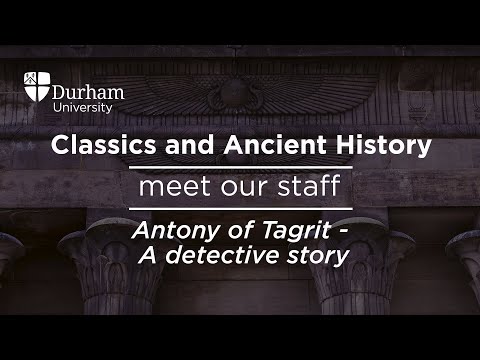
Watch our most recent research video
Dr Mara Nicosia talks about her research into Syriac rhetoric in "Antony of Tagrit: a detective story"
/prod01/prodbucket01/media/durham-university/departments-/classics-and-ancient-history/Classics1611Jun-05-2023.jpg)
Our staff
Our academic staff specialise in a broad range of artistic, historical, literary, linguistic, cultural, and philosophical aspects of the Graeco-Roman world. We have further expertise in the wider Ancient Mediterranean and Near East.
Explore our department
-
Alumni
Find out about our alumni benefits, and keep in touch!
-
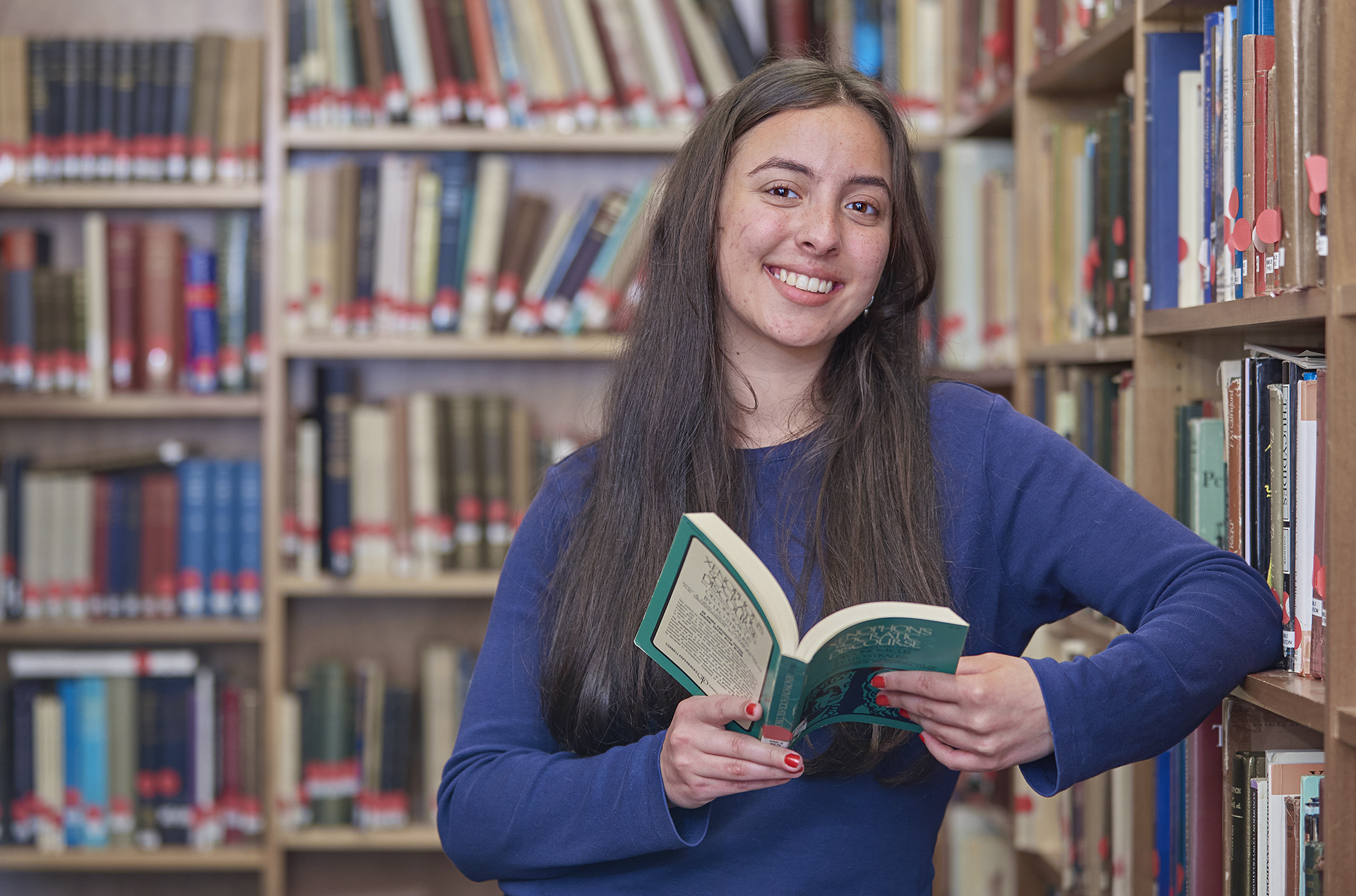
Facilities
Find out about our departmental library and computer rooms
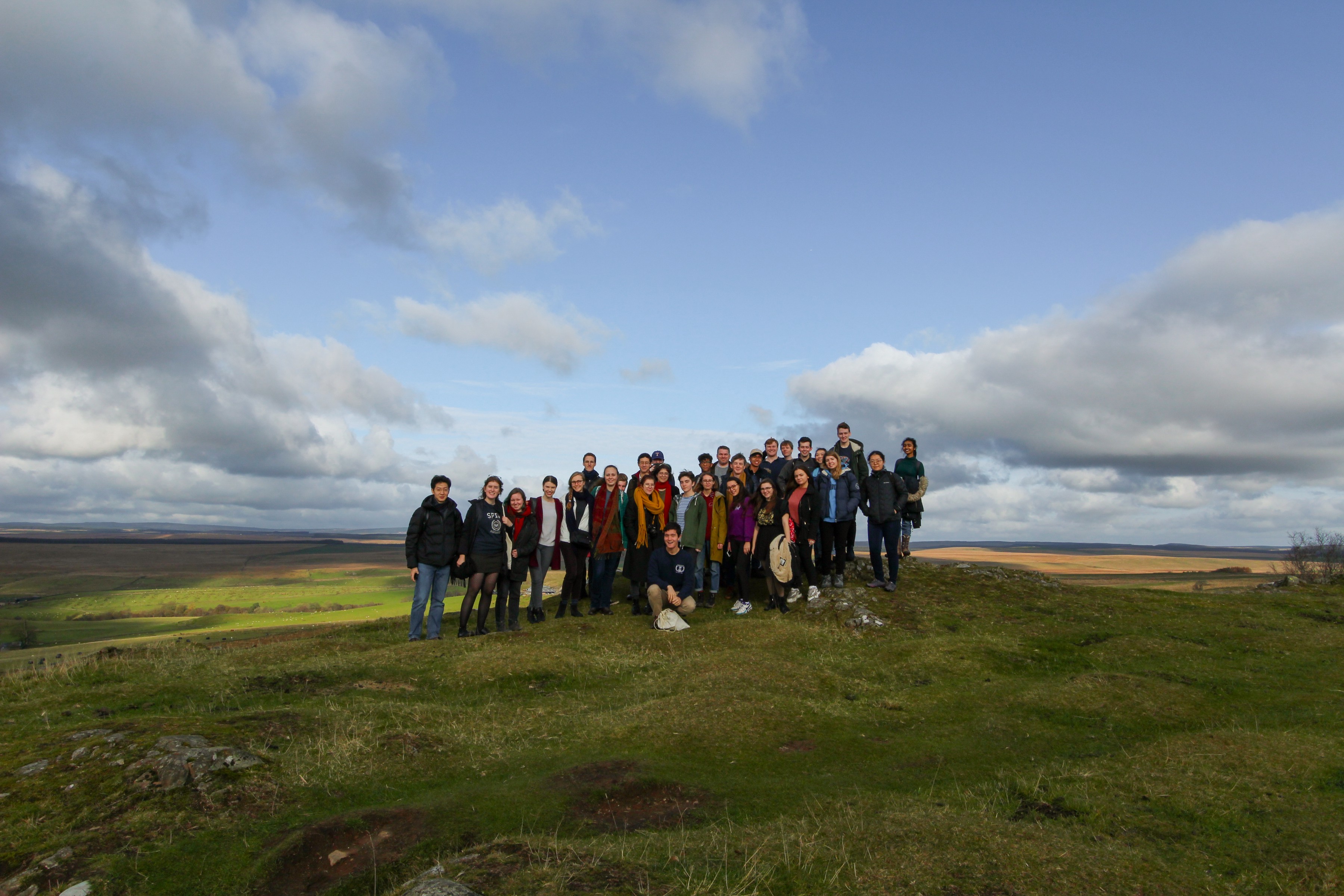
/prod01/prodbucket01/media/durham-university/departments-/classics-and-ancient-history/Student-Blog---Classics-Society.jpeg)
/prod01/prodbucket01/media/durham-university/departments-/classics-and-ancient-history/Classics1579Jun-05-2023.jpg)
Alumni
Find out about our alumni benefits, and keep in touch!
Facilities
Find out about our departmental library and computer rooms
-
EDI initiatives
Find out about our Equality, Diversity and Inclusion initiatives
-
Postgraduate funding
Find out about PhD funding opportunities
/prod01/prodbucket01/media/durham-university-business-school/site-assets/images/AdobeStock_417936070.jpeg)
/prod01/prodbucket01/media/durham-university/study/scholarships/Postgraduate-Scholarships.png)
EDI initiatives
Find out about our Equality, Diversity and Inclusion initiatives

Postgraduate funding
Find out about PhD funding opportunities

What's new?
-
Durham Hosts Week of Events Honouring Black History and Reparative Justice
A vibrant week of events (20–23 October 2025) will take place across Durham, exploring Black history, reparative justice, and decolonial thought. Organised as part of the ESRC Festival of Social Science, the programme brings together scholars, students, and community members for walking tours, film screenings, and keynote lectures that highlight critical conversations around race, memory, and historical responsibility.Equality, Diversity, and Inclusion/prod01/prodbucket01/media/durham-university/homepage/discover-boxes/Black-History-Month.jpg)
-
Durham expertise shapes new National Theatre exhibition on Greek drama
We’re supporting a new exhibition at the National Theatre in London which explores how ancient Greek tragedies continue to inspire modern theatre.Durham news/prod01/prodbucket01/media/durham-university/central-news-and-events-images/news/Greek-theatre-exhibition-web-pic-(1).png)
-
Spotlight on: Dr Katherine McDonald – understanding the ancient world through language
The languages of the past can tell us more about human history than we might have thought. As a specialist in the ancient languages of Italy, Katherine McDonald uses linguistic detective work to uncover what life was like over 2,000 years ago.Global research/prod01/prodbucket01/media/durham-university/central-news-and-events-images/Katherine-McDonald---Web-.png)
-
Faculty of Arts and Humanities Earns Prestigious Athena Swan Silver Award
The Faculty of Arts and Humanities has been awarded a highly regarded Athena Swan Silver Award, becoming only the second faculty of its kind in the UK to receive this distinction. This milestone acknowledges the significant progress made in advancing gender equality across all departments and highlights a firm commitment to continued improvement through to 2030.Equality, Diversity, and Inclusion/prod01/prodbucket01/media/durham-university/departments-/faculty-of-arts-and-humanities/Untitled-design-(25).png)
-
Spotlight on: Professor Edith Hall – leading the campaign for Classics education for all
Our ‘Spotlight on’ series showcases the world-leading work of our academics. Professor Edith Hall is passionate about the lessons we can learn from ancient civilisations and is leading a campaign to put Classics education back on the UK curriculum.Global research/prod01/prodbucket01/media/durham-university/central-news-and-events-images/Edith-Hall---WEB.png)
-
Congratulations to Dr Katherine McDonald - Philip Leverhulme Prize winner 2024
Dr Katherine McDonald wins prestigious Philip Leverhulme Prize for 2024 with her project 'The Linguistics of Roman Slavery'. Photo credit Dr Christopher HaddadResearch news/prod01/prodbucket01/media/durham-university/departments-/classics-and-ancient-history/Dr-Katherine-McDonald-1050X698.jpg)
-
Transformative Humanities framework launched
Durham University's Transformative Humanities launched yesterday and gathered more than 130 researchers, colleagues, students, and partners from across the region and beyond to celebrate this new interdisciplinary framework.Research news/prod01/prodbucket01/media/durham-university/departments-/faculty-of-arts-and-humanities/Digital_Banner-(1).png)
Durham Hosts Week of Events Honouring Black History and Reparative Justice
A vibrant week of events (20–23 October 2025) will take place across Durham, exploring Black history, reparative justice, and decolonial thought. Organised as part of the ESRC Festival of Social Science, the programme brings together scholars, students, and community members for walking tours, film screenings, and keynote lectures that highlight critical conversations around race, memory, and historical responsibility.

Durham expertise shapes new National Theatre exhibition on Greek drama
.png)
Spotlight on: Dr Katherine McDonald – understanding the ancient world through language

Faculty of Arts and Humanities Earns Prestigious Athena Swan Silver Award
.png)
Spotlight on: Professor Edith Hall – leading the campaign for Classics education for all

Congratulations to Dr Katherine McDonald - Philip Leverhulme Prize winner 2024

Transformative Humanities framework launched
.png)
-
Durham expertise shapes new National Theatre exhibition on Greek drama
We’re supporting a new exhibition at the National Theatre in London which explores how ancient Greek tragedies continue to inspire modern theatre.Durham news
-
QS World University Rankings by Subject 2025
We are ranked 9th in the prestigious QS World University Rankings by Subject 2025.Durham news/prod01/prodbucket01/media/durham-university/departments-/classics-and-ancient-history/Classics--Ancient-History-Subject-2025-9.png)
-
Classics at Durham: ancient connections and a bright future
Our region’s long and rich classical history is inspiring the next generation of classics students. North East England’s ancient structures and settlements including Hadrian’s Wall have inspired many through the ages.Durham news/prod01/prodbucket01/media/durham-university/departments-/classics-and-ancient-history/Penshaw-monument-86034_1280.jpg)
Durham expertise shapes new National Theatre exhibition on Greek drama
We’re supporting a new exhibition at the National Theatre in London which explores how ancient Greek tragedies continue to inspire modern theatre.
QS World University Rankings by Subject 2025

Classics at Durham: ancient connections and a bright future

-
Congratulations to Dr Katherine McDonald - Philip Leverhulme Prize winner 2024
Dr Katherine McDonald wins prestigious Philip Leverhulme Prize for 2024 with her project 'The Linguistics of Roman Slavery'. Photo credit Dr Christopher HaddadResearch news
-
Northern Bridge Applications 2025
The Department of Classics & Ancient History at Durham invites applications from UK and international applicants for PhD studentships through the AHRC-funded Northern Bridge Doctoral Training Partnership.Research news/prod01/prodbucket01/media/durham-university/departments-/classics-and-ancient-history/Classics1570Jun-05-2023.jpg)
-
Conference: Lucan’s Landscapes and Lies, 24-26 July 2024
We are pleased to announce the upcoming schedule (see below) for the Lucan’s Landscapes and Lies conference at Durham University, 24th-26th July 2024. The conference is generously supported by the Durham University Researcher Development Grant.Research news/prod01/prodbucket01/media/durham-university/departments-/classics-and-ancient-history/Lucan-Poster.jpg)
Congratulations to Dr Katherine McDonald - Philip Leverhulme Prize winner 2024
Dr Katherine McDonald wins prestigious Philip Leverhulme Prize for 2024 with her project 'The Linguistics of Roman Slavery'. Photo credit Dr Christopher Haddad
Northern Bridge Applications 2025

Conference: Lucan’s Landscapes and Lies, 24-26 July 2024

-
Classics Teacher Training returns to Durham!
After several decades, teacher training in Classics is now available once again at Durham thanks to a partnership between the School of Education and the Department of Classics and Ancient History.Student news/prod01/prodbucket01/media/durham-university/departments-/education/54072.jpg)
Classics Teacher Training returns to Durham!
After several decades, teacher training in Classics is now available once again at Durham thanks to a partnership between the School of Education and the Department of Classics and Ancient History.
Student blogs and social media
Explore our Durham University Classics Society blog, packed full of interesting classical and classically-inspired articles.
Highlights
-
Entrances to Ancient Literature
Francesca Chaplin takes a look at gates and doors in five pieces of ancient literature, from epic to elegy and from the devastating to the comical.
-
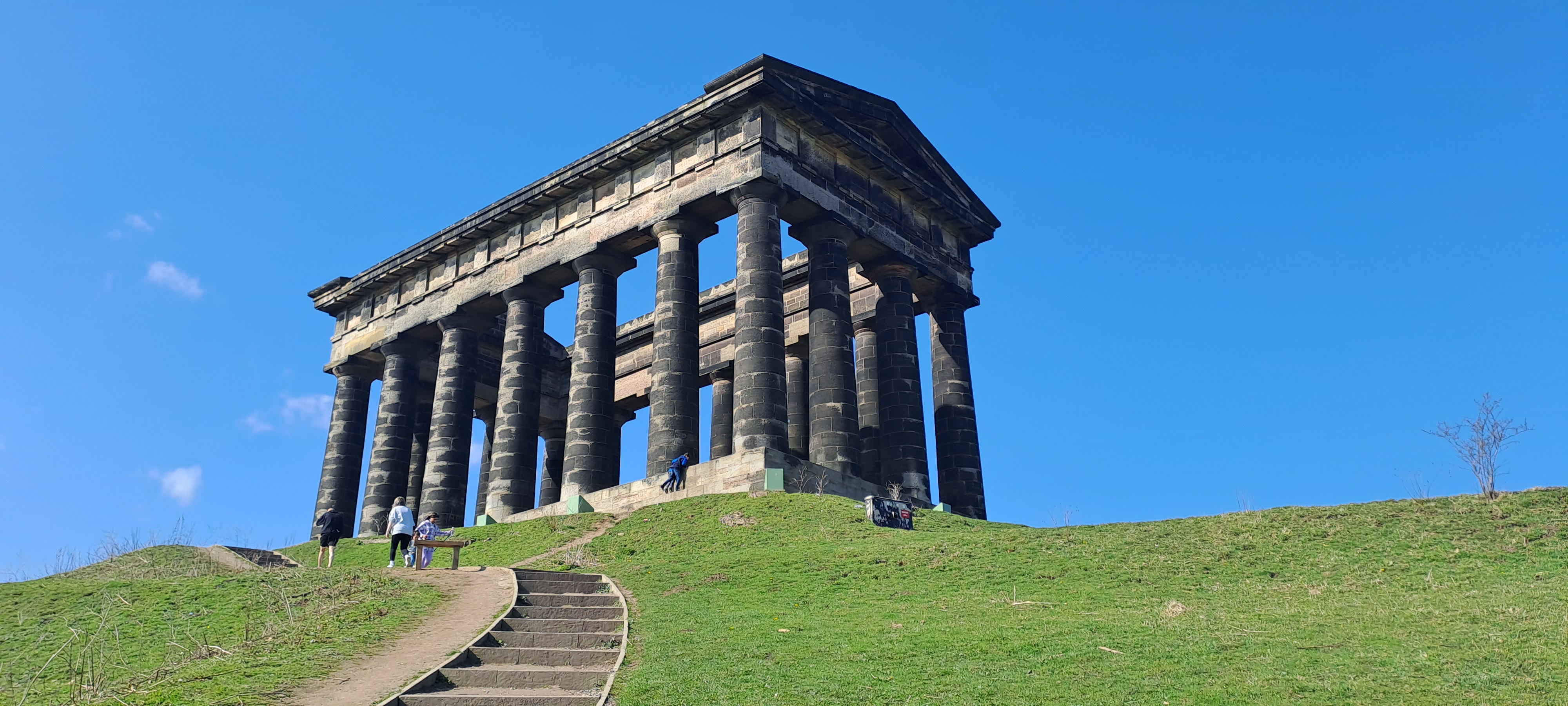
Penshaw Monument: Durham’s very own Greek temple, and why it’s worth a visit
James Hua pays a visit to the North-East's own Greek temple
Entrances to Ancient Literature
Penshaw Monument: Durham’s very own Greek temple, and why it’s worth a visit
Social feeds
Get in touch
To find out more about our department and courses, contact us using the information below.
Department of Classics and Ancient History
38 North Bailey
Durham
DH1 3EU
+44 (0)191 3343170
Questions about studying here?
Check out our list of FAQs or submit an enquiry form.
Your Durham prospectus
Order your personalised prospectus and College guide here.