
Home
Dr. Nadja Reissland
D.Phil, MA, BSc, Cpsychol
Honorary Consultant James Cook Hospital, Middlesbrough
Honorary Senior Research Associate, Faculty of Medical Sciences, Newcastle University


Interested in taking part in research?

Fetal Observable movement system FOMS
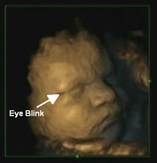
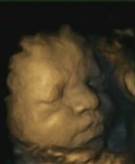
My latest research concerns fetal development in relation to stress and depression as well as early mother infant interaction. My work on fetal movements ( see Reissland & Kisilevsky eds, 2106) has potential for applications in healthcare settings informing parents about fetal abilities and effects of health behaviours on fetal wellbeing.
Current research projects concern:
· pre-natal development in relation to maternal stress and depression
· the effects of smoking on prenatal and postnatal attachment
· precursors of language development
· Laterality and stress
Supervision: I supervise PhD candidates in the area of early maternal-infant interaction and fetal development.

Educational qualifications and posts held – Research interests & links – Publications
Past Secretary for the European Society of Developmental Psychology