

Institute of Advanced Study
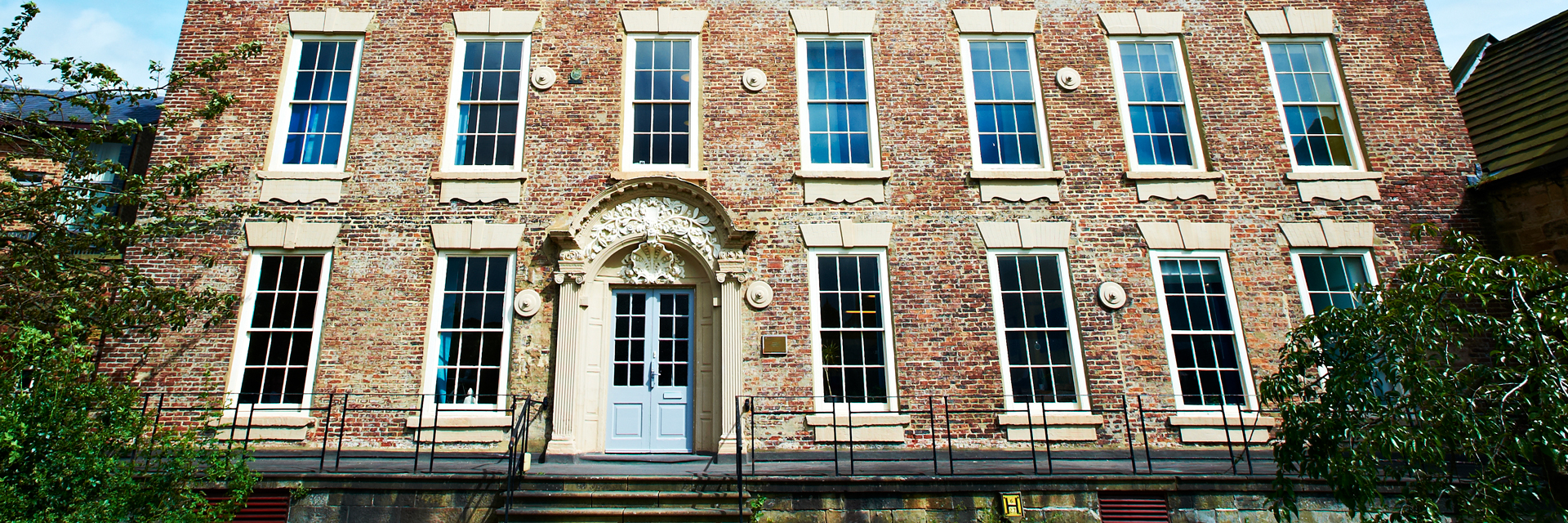

About the Institute of Advanced Study
The Institute of Advanced Study (IAS) is a home for growing big ideas. We support a broad and inclusive interdisciplinary community from across the full spectrum of Durham academics, where different perspectives are brought together to develop creative approaches to interesting and important problems.
/prod01/prodbucket01/media/durham-university/research-/research-institutes/institute-of-advanced-study/events/iStock-1279669949.jpg)
/prod01/prodbucket01/media/durham-university/research-/research-institutes/institute-of-advanced-study/research/projects-202223/Studenthood-in-Digital-Spaces-Infographic-DIGITAL_Page_2-Med.jpg)
/prod01/prodbucket01/media/durham-university/research-/research-institutes/institute-of-advanced-study/cta-images/IAS-Group-2023.jpg)
/prod01/prodbucket01/media/durham-university/research-/research-institutes/institute-of-advanced-study/cta-images/Calendar-image.jpg)
The Fellowship has not only been hugely productive, but it has had a profound effect on me. It has reminded me why I am an academic and has restored the love I have for the job.
Publications, Videos and Social Media
Find out more about the Institute of Advanced Study including publications, details of former Fellows, and past projects.
Highlights
-
IAS Word Press
Keep up to date with the IAS newsletter, IAS videos, and historic IAS information
-
Publications
Explore some of the recent publications from IAS Fellows or from Durham colleagues supported by the IAS via funded projects and activities.
IAS Word Press
Publications
-2-500x375.jpg)
Social feeds
Find Us
Durham City is located in beautiful County Durham, Land of the Prince Bishops, in the North East of England. It can be reached easily by road, rail, air or sea. Durham provides a wonderful base to explore the region as well as other areas of the UK such as Northumberland, the Lake District, Edinburgh, Glasgow, York, Leeds, Manchester, Birmingham and London.
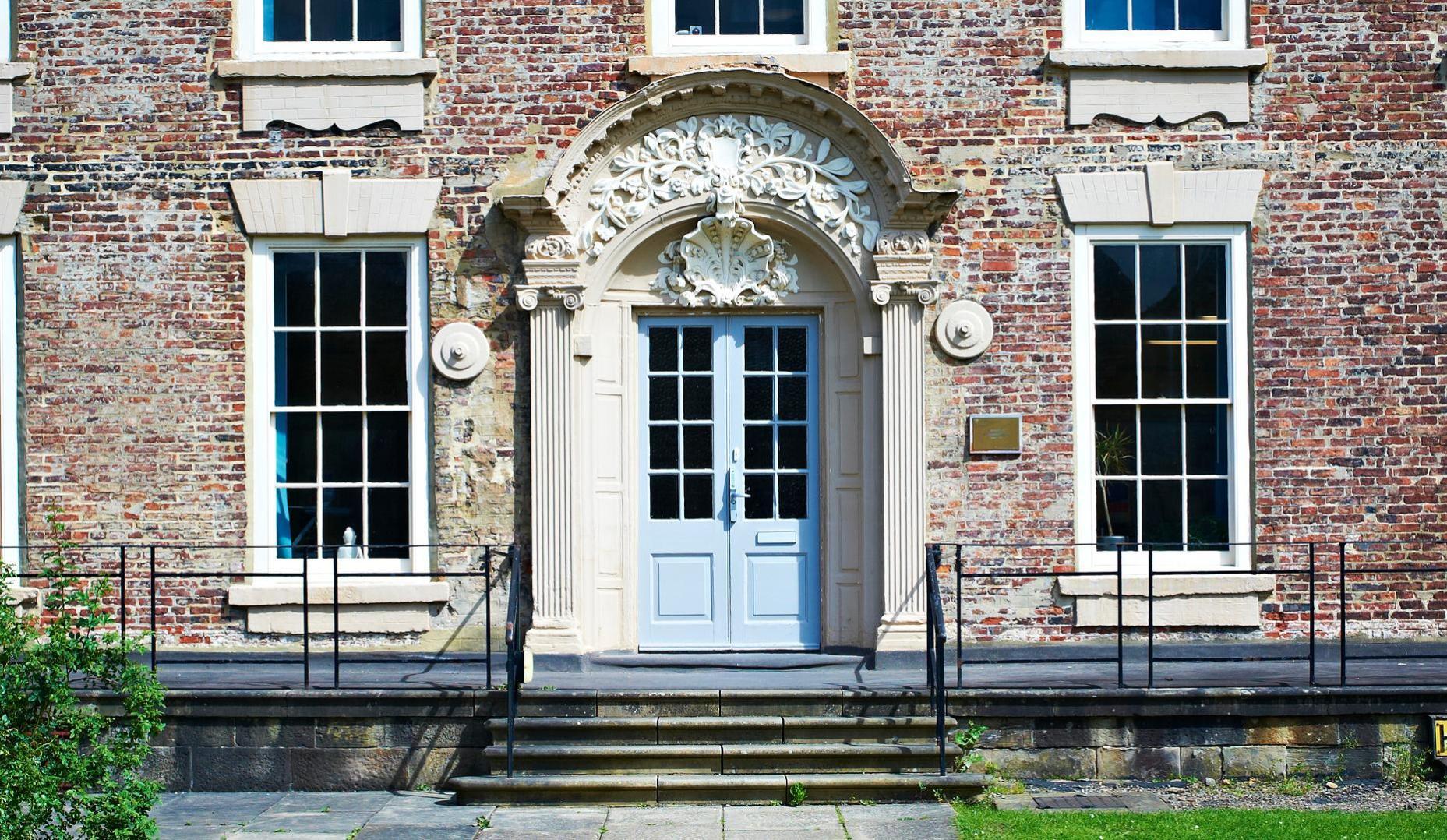
We're located on Palace Green between Durham Castle and Durham Cathedral in the heart of Durham City.
Get in touch
Enquiries about IAS should be sent via the email below.
Institute of Advanced Study
Durham University,
Cosin’s Hall,
Palace Green,
Durham,
DH1 3RL
Tel: +44 (0) 191 334 2589